Pakistan Military Academy — Forging Officers Since 1947
1. The Birth of an Institution
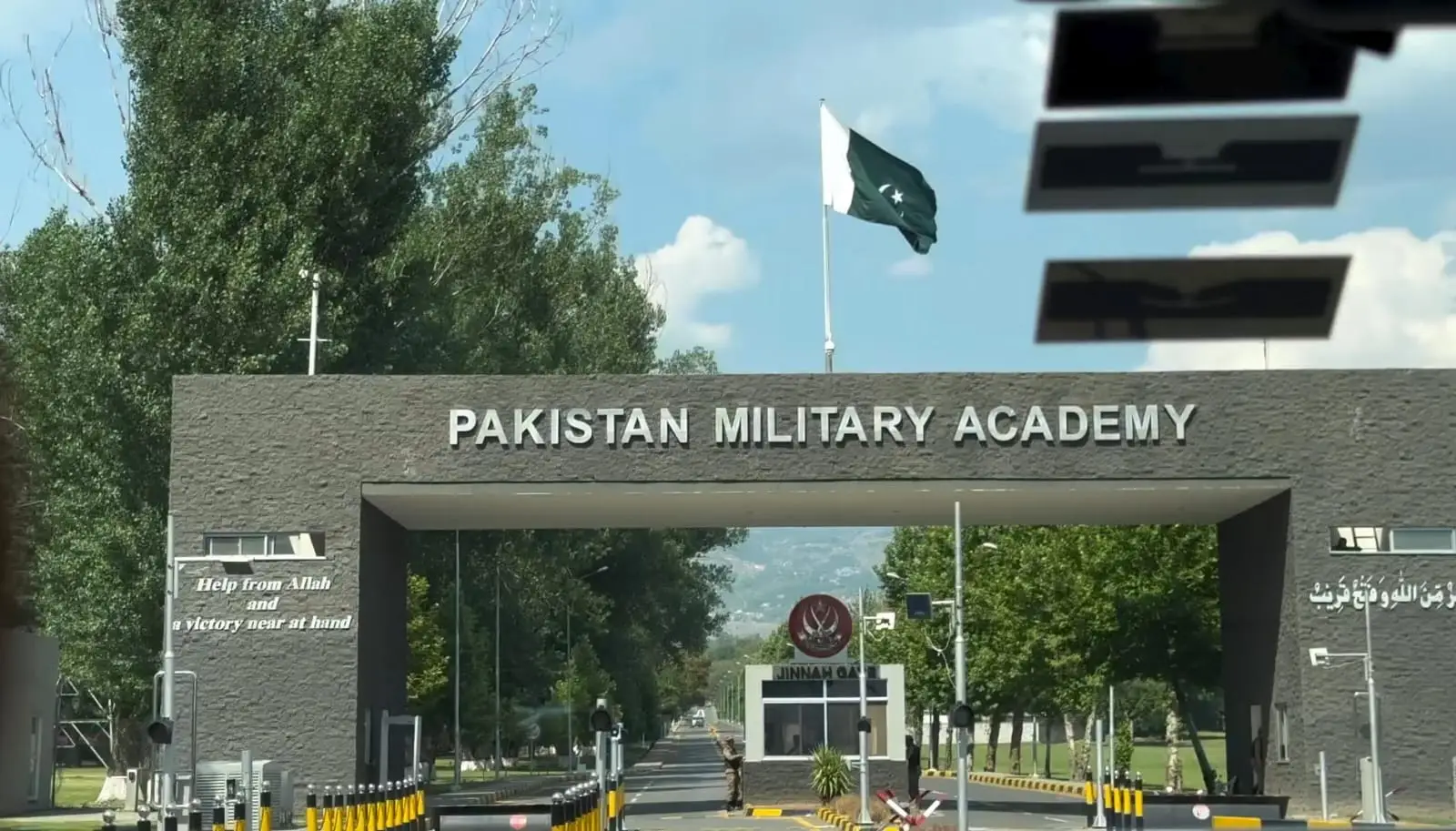
The Pakistan Military Academy was established at Kakul, near Abbottabad, in October 1947 — barely weeks after Pakistan's independence. The site was chosen for its commanding terrain in the foothills of the Himalayas, once home to a British-era training school, and it was here that the young nation began building the institution that would shape its army's leadership for generations.On 25 January 1948, the "First Pakistan Battalion" was formally raised, its companies named Khalid, Tariq, Qasim, and Salahuddin — after commanders from Muslim military history. Weeks later, the Academy received the patronage of Quaid-e-Azam Muhammad Ali Jinnah himself, and to this day the Quaid-e-Azam banner is carried with honour by the champion company at every Passing Out Parade.As Pakistan's defence needs grew, so did PMA. The 1965 war with India prompted the raising of a second battalion, with companies named Ghaznavi, Babur, Aurangzeb, and Tipu — a tradition of naming that still anchors every cadet to history the moment he joins.
2. The Academy Today
PMA Kakul is now academically affiliated with the National University of Sciences & Technology (NUST), blending military training with a full academic degree. It doesn't just train Pakistani cadets — officers and cadets from dozens of allied nations have passed through Kakul, making it a institution of regional military diplomacy as much as national defence.
3. The Making of a Gentleman Cadet
Every cadet who walks through Kakul's gates enters the same transformation — often described as the journey "from chocolate cadet to steel."
It runs on three pillars:
Physical — punishing PT, drills, endurance marches, and weapons training that build the body for command.
Academic — a full university-level curriculum running alongside military instruction.
Character — discipline, leadership under pressure, and the unwritten code of the officer corps.
A cadet's day begins before sunrise and is measured in minutes — parade, classes, drill, sport, study — until the transformation is complete, usually after roughly two years, depending on entry scheme.
4. Motto and Meaning
PMA's motto is drawn from the Quran (61:13) — a line often translated as "a triumph from God and a victory that is close at hand." It's more than a plaque on a wall; it's recited, internalised, and carried by every officer long after they leave Kakul.
5. The Passing Out Parade (POP)
No page on PMA is complete without the Passing Out Parade — the ceremony that turns a Gentleman Cadet into a commissioned officer of the Pakistan Army. Families travel from across the country to watch their sons take the final salute. The Sword of Honour is presented to the best all-round cadet of the course — the single highest distinction a cadet can earn at PMA.For most families, this is the single proudest day they will ever witness.
6. PMA in the Bigger Picture
PMA doesn't stand alone — it's fed by institutions like Military College Jhelum and Military College Murree, which prepare boys years in advance for the discipline Kakul demands. Together, they form the pipeline that has produced generations of Pakistan Army officers, many of whom rose to command the institution itself.
7. Continue the Journey
Preparing for entry?
→ PMA Guide Curious about the selection process?
→ ISSB Guide Want to see it for real?
→ Gallery / Videos Read the stories of those who gave everything
→ Martyrs' Stories